How to prevent damp and condensation mould
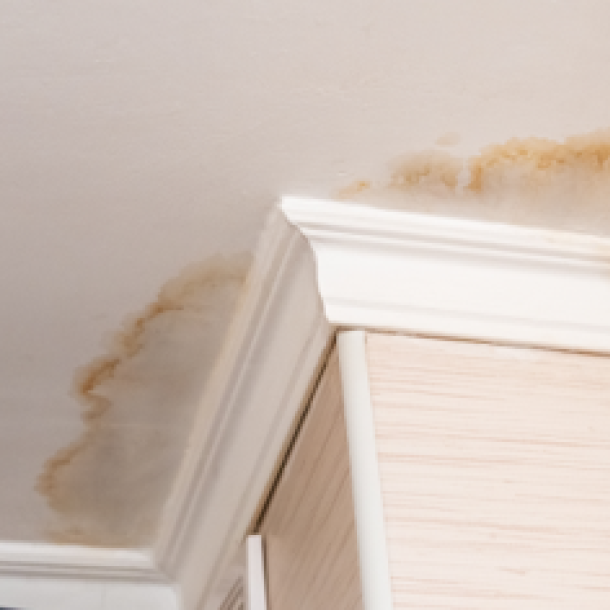
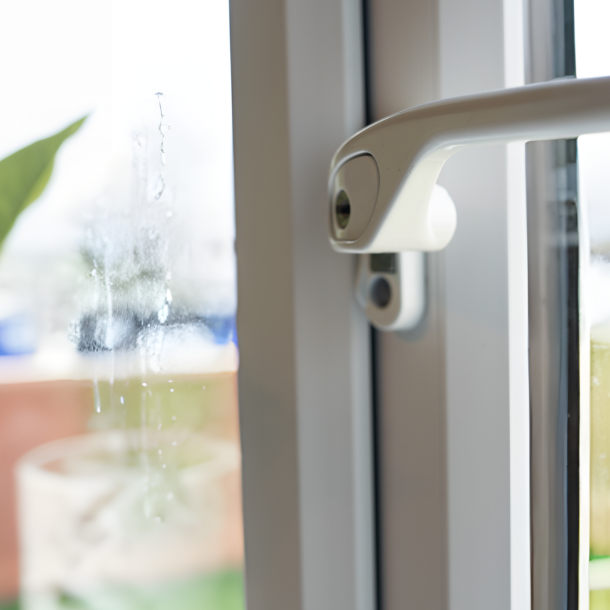
Condensation mould is usually caused by moisture in the air settling on cold surfaces.
The best way to prevent mould growth is to reduce the moisture levels in your home and regularly deal with condensation.


Condensation mould in flats
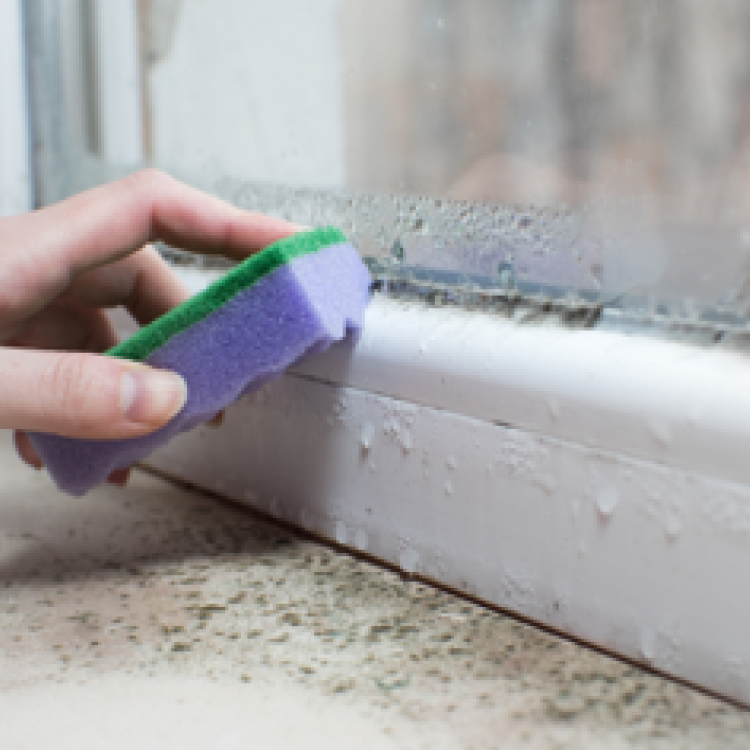
Flats can get condensation because moist air has fewer places to escape. This can be worse in open-plan homes or rooms with little ventilation. Use extractor fans, open a window for a short time when you can, and wipe condensation from windows. If mould keeps coming back, report it.

Heating and condensation
Warm rooms are less likely to get condensation. Cold surfaces attract moisture from the air, which can lead to mould. If you can, keep your home at a steady warmth rather than letting rooms get very cold. If your heating is not working, report it. If costs make heating hard, we can help with advice.
Drying clothes indoors
Drying clothes inside adds lots of moisture to the air. This can cause condensation on cold surfaces and lead to mould. Dry clothes outdoors if you can. If you need to dry indoors, use one room, keep the door closed, and open a window for a short time. Avoid drying clothes in bedrooms.


How to report damp and mould
If you have any concerns about damp or condensation mould in your home, or if it keeps coming back, please report it to us.
The quickest and easiest way to do this is by calling our Customer Hub on 0333 200 7304.


