Staying safe and cool during hot weather
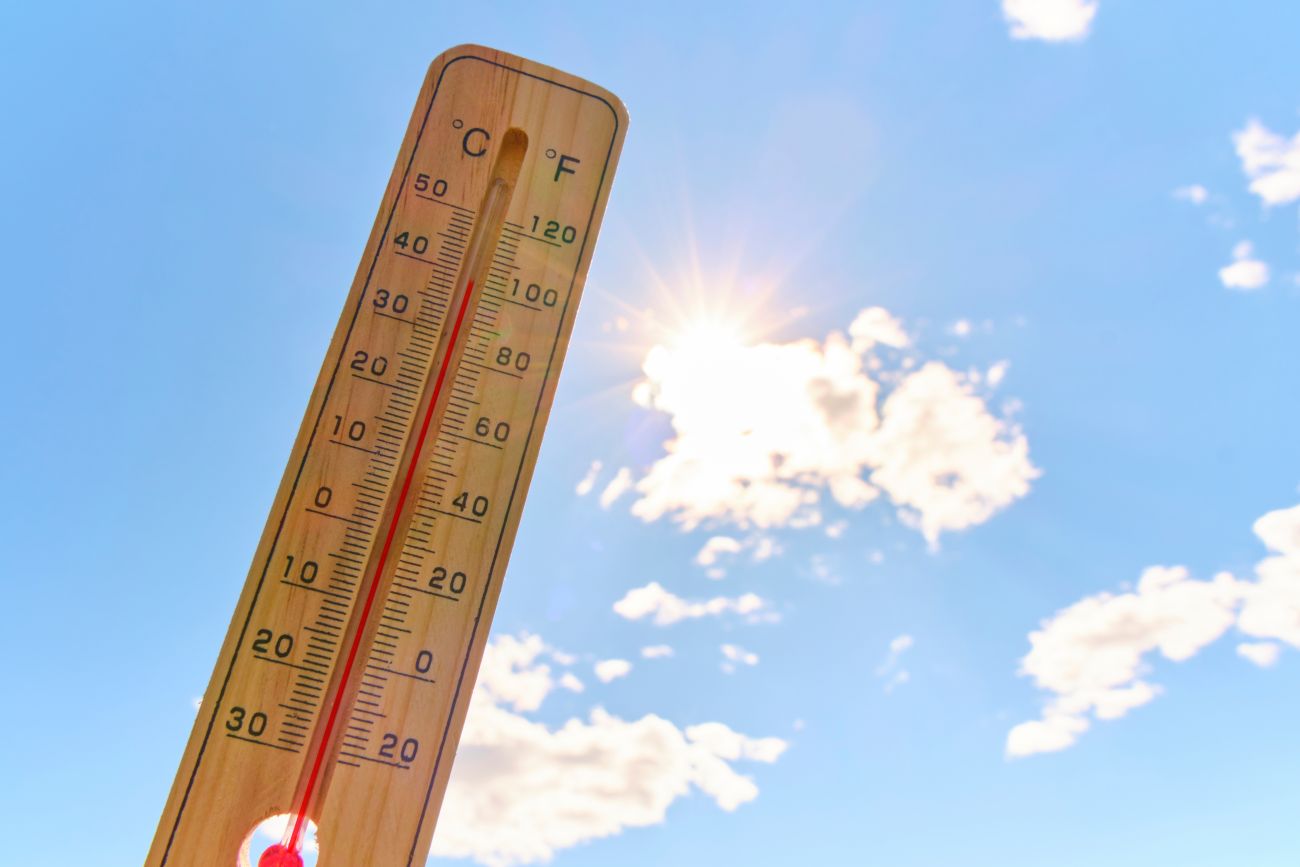
The weather is expected to be very hot this week. While many of us enjoy the sunshine, high temperatures can quickly lead to dehydration, heat exhaustion and other health problems, particularly for older people, young children and those with long term health conditions. Here are some simple ways to keep yourself and your home cool.
Keep the heat out
- When it’s hotter outside than inside, try to keep warm air out of your home.
- Close curtains or blinds in rooms that get direct sunlight;
- Keep windows and external doors closed during the hottest part of the day;
- Shut doors to rooms that become particularly warm to stop heat spreading through your home;
- Turn off lights and electrical items when you’re not using them, as these can generate extra heat;
- If possible, cook earlier in the morning or later in the evening when temperatures are lower.
Let cooler air in
Early mornings and evenings are often cooler than the middle of the day.
- Open windows when the temperature outside drops;
- Open windows on different sides of your home to help air circulate;
- Close them again once temperatures begin to rise.
If you’re leaving windows open, always think about safety, especially if you have young children or are leaving ground floor windows open overnight.
Use your coolest room
If you can’t keep your whole home cool, focus on one room. Choose the room that gets the least direct sunlight, keep curtains or blinds closed and spend time there during the hottest part of the day.
Keep yourself cool
Looking after yourself is just as important as keeping your home cool.
- Drink plenty of water throughout the day, even if you don’t feel thirsty;
- Eat lighter meals such as salads, fruit and sandwiches;
- Wear loose, light coloured clothing;
- Cool your skin with a damp cloth or by applying cool water to your wrists, neck or face.
If you use a fan, place it near an open window during cooler periods of the day to help move fresh air around your home.
Avoid the hottest part of the day
The sun is usually strongest between 11.00am and 3.00pm.
If possible:
- Plan activities for earlier in the morning or later in the evening;
- Stay in the shade when outdoors;
- Take water with you;
- Wear a hat and lightweight clothing.
Know the signs of heat exhaustion
Heat exhaustion can cause:
- Tiredness or weakness;
- Dizziness;
- Headaches;
- Feeling sick;
- Heavy sweating;
- Muscle cramps;
- Excessive thirst.
If someone becomes unwell, move them somewhere cool, encourage them to drink water and cool their skin with water or a damp cloth.
Visit NHS 111 online or call 111 if symptoms worsen or you’re concerned.
Call 999 immediately if someone shows signs of heatstroke, including confusion, seizures, loss of consciousness, difficulty breathing or hot skin that is no longer sweating.
Check on others
Hot weather can be particularly difficult for older people, babies and young children, pregnant women, people with long term health conditions and those living alone.
A quick phone call, message or visit to a friend, neighbour or family member could make a real difference.
Further advice
For more information, visit: