Alan's Experience
“I’m Only Blind” – Turning One Customer’s Experience into Meaningful Change
When Alan needed to contact Platform, he did what many of us do - he picked up his phone and called.
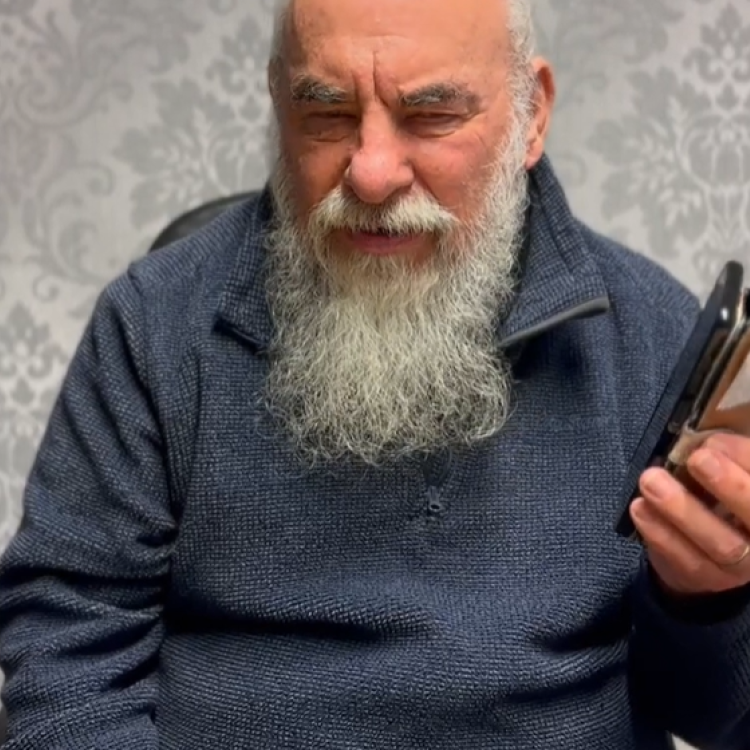
For Alan, who is fully blind, that simple action wasn’t simple at all.
Using voice activation, his phone dialled our number. From there:
- He was met with a series of automated options
- If his screen timed out, he couldn’t locate the keypad without cancelling the call.
- If system messages overlapped, he couldn’t hear his screen reader clearly.
- When prompted to enter his date of birth using numbers he cannot see, so became stuck.
“I’m only blind,” Alan explained. “I’m not stupid. I’m not incapable. I walk around every day on my own. But this makes me feel awful.”
His frustration wasn’t about the people at the other end of the phone. It was about a system that unintentionally placed a barrier in his way.
And he reminded us that this wasn’t about one person. There are hundreds of thousands of people in the UK living with sight loss. For many, automated phone systems at organisations, are not a convenience - they’re an obstacle.
Listening and really hearing
As part of our Customer First programme, we have been reviewing how customers access our services. Alan’s experience was a powerful reminder that while processes may work well for the majority, they must work for everyone.
For our Customer Contact Centre colleagues, hearing Alan’s story was both humbling and motivating. The intention of our systems has always been to create efficiency and clarity, but it became clear that, in doing so, we had unintentionally made things harder for some of our most vulnerable customers.
That wasn’t acceptable - so we acted.
Removing the barrier
In early August 2025, we introduced a more accessible route through our phone system for customers who may struggle with traditional identity checks or complex menus.
Now, customers with identified vulnerabilities, including visual impairments, dementia, autism, learning difficulties, speech or language challenges, and vulnerable older age people are routed directly to a simplified interactive voice response. From there, a colleague completes identification checks verbally, providing a more personal and supportive experience.
In just the first four days from implementation in August 2025, our Customer Contact team answered calls from 159 vulnerable customers. Since then (Aug 25- Feb 26) a further 6,756 vulnerable callers have been identified with their calls answered with an average wait time of just 29 seconds – highlighting the sustained impact this improvement has delivered.
Behind these numbers are real people - customers who were able to get through, explain their needs and receive our help without added stress.
More than a system change
For our Customer Contact team, this was about more than adjusting call routing. It was about restoring dignity and independence.
It was about making sure that being blind, or living with any other vulnerability, does not mean feeling excluded from accessing our essential services.
Alan’s experience helped us see our service through a different lens. His honesty has helped drive a change that will benefit many others.
This is Customer First in action: listening openly, learning quickly, and responding with care. Because accessing support in your home should never depend on how well you can see or use a keypad.